Tag Archives: playing blue pianos

The Blue Piano: How It Became a Distinctive Visual and Emotional Icon in Modern Culture

Throughout history, certain artistic symbols have transcended their original mediums to become timeless cultural icons. The blue piano is one such symbol—a surreal fusion of music, emotion, and color that has evolved far beyond its literal form. Once a poetic metaphor for melancholy and longing, the blue piano now stands as a visual and emotional emblem in art, music, and popular culture. Its journey from artistic abstraction to modern icon reveals how creativity, symbolism, and emotion intertwine to shape collective identity.


The Emotional Power of Color and Sound

To understand the cultural resonance of the blue piano, one must first appreciate the emotional power of color. In art and psychology alike, blue is deeply associated with introspection, calmness, and depth. It can symbolize both serenity and sorrow, serving as a visual representation of the human emotional spectrum. When this color is combined with the piano—an instrument long revered for its expressive capabilities—the result is a symbol that evokes both beauty and melancholy.

Music itself has always been a universal language, capable of conveying emotions words often fail to express. The piano, in particular, bridges technical precision with profound feeling. When artists began pairing the idea of the piano with the color blue, it created a fusion of visual tranquility and emotional depth—a perfect metaphor for the complexities of the human spirit. Whether expressed in painting, literature, or stage performance, the blue piano became shorthand for emotional honesty and artistic sensitivity.


Literary and Theatrical Origins: The Birth of a Symbol

One of the earliest and most influential references to the blue piano comes from Tennessee Williams’ 1944 play, The Glass Menagerie. In the opening scene, Williams describes a haunting sound: “In memory, everything seems to happen to music. That music is the ‘blue piano’.” The “blue piano” in this context isn’t a physical object—it’s an aural metaphor for the raw emotion that underscores the play’s themes of nostalgia, loss, and yearning.

Williams’ usage transformed the blue piano into more than a simple image—it became a metaphor for emotional vulnerability and artistic sensitivity. The recurring sound of the blue piano throughout the play acted as a musical embodiment of human desire, love, and regret. From this point forward, the phrase began to resonate beyond the theater, capturing the imagination of artists, musicians, and audiences alike.


From Stage to Studio: The Blue Piano in Visual Art

The emotional allure of the blue piano quickly transcended literature and theater, finding new life in visual art. During the mid-20th century, artists began experimenting with surreal and expressive uses of color to evoke emotion. The blue piano, as an artistic motif, started appearing in paintings and sculptures as a symbol of creativity, sadness, and transcendence.

In these works, the blue piano often appeared as an object out of place—floating in dreamlike landscapes or positioned in empty rooms bathed in soft light. These surreal depictions mirrored the emotional paradox at the heart of the symbol: beauty intertwined with melancholy. Artists saw in the blue piano a way to visually represent the meeting point of music, memory, and emotion, themes that echoed throughout modernist and postmodern movements.

For example, contemporary surrealist painters have often used the blue piano to explore isolation and creative yearning. In some depictions, the instrument sits untouched—its silence a metaphor for lost inspiration or emotional repression. In others, it radiates light, representing artistic rebirth or emotional clarity. Through these interpretations, the blue piano became a canvas for emotional storytelling, a recurring emblem of the artist’s inner world.


The Blue Piano in Music and Performance Art

It was perhaps inevitable that musicians would reclaim the blue piano from metaphor and bring it to life—literally. Artists and performers began painting pianos blue as a statement of individuality and emotion. These vibrant instruments appeared on stage, in music videos, and at cultural festivals, symbolizing artistic freedom and emotional authenticity.

Jazz musicians in particular were drawn to the symbolism. Jazz, with its roots in improvisation and emotional expression, mirrored the blue piano’s essence perfectly. The instrument became an icon of soulful performance—a representation of creativity that defied convention. Some performers even used the color blue as part of their personal brand or stage design, connecting the visual symbolism of the blue piano with the emotional depth of their music.

In modern times, the blue piano has appeared in pop culture—from album covers and music videos to public art installations. Whether standing in a park as an interactive art piece or serving as a focal point in a concert, the blue piano commands attention. It captures the imagination because it combines the universality of music with the emotional resonance of color, bridging the gap between visual and auditory art.


Symbolism in Modern Media and Design

As digital media and visual storytelling have become central to modern culture, the blue piano’s symbolism has evolved once again. Today, it represents more than emotion—it signifies creative freedom, introspection, and innovation. In advertisements, films, and digital art, the blue piano is often used to convey sophistication and emotional depth.

Designers and filmmakers utilize the imagery of a blue piano to evoke nostalgia, creativity, and elegance. For example, a blue piano might appear in a music video to symbolize lost love, or in a commercial to evoke feelings of inspiration and artistry. On social media, the image often accompanies motivational quotes or aesthetic visuals, embodying the fusion of classic beauty and modern emotion.

In interior design and public art, blue pianos have become symbols of community engagement and creative expression. Cities around the world have installed colorfully painted pianos in public spaces—inviting anyone to play, connect, and express themselves. The blue variants of these instruments often attract particular attention, representing calm, reflection, and the universal power of music to unite people.


The Emotional and Cultural Legacy

What makes the blue piano such a powerful and enduring icon is its dual nature—it is both visually striking and emotionally profound. The combination of a deeply expressive instrument with a color steeped in meaning creates a timeless symbol that resonates across artistic mediums and generations.

In a world often dominated by fast-paced media and fleeting trends, the blue piano endures as a reminder of the value of emotional depth. It encourages reflection, authenticity, and connection—themes that remain at the heart of all art. Whether used as a metaphor in literature, a centerpiece in visual art, or an actual instrument in performance, the blue piano represents the harmony between creativity and emotion.

Its transformation from a symbolic sound in Tennessee Williams’ play to a global cultural icon shows how art evolves alongside society. Each generation reinvents the symbol, imbuing it with new meaning while preserving its emotional core. For some, the blue piano speaks of nostalgia and loss; for others, it signifies creativity, calmness, or rebirth. This flexibility of interpretation is precisely what gives it enduring power.


A Universal Symbol of Artistic Emotion

The journey of the blue piano from metaphor to modern icon illustrates how artistic symbols evolve to mirror the human experience. It is a story of emotional resonance—of how something as simple as a color and an instrument can become a vessel for our deepest feelings.

In today’s interconnected world, the blue piano continues to inspire artists, musicians, and dreamers alike. It reminds us that beauty lies not only in perfection but in the emotions we dare to express. Whether seen on stage, painted in a gallery, or played beneath open skies, the blue piano remains a timeless emblem of artistic soul—a melody painted in blue, echoing across the canvas of modern culture.

The written content on this page was generated by ChatGPT
The Blue Piano: How Artists and Musicians Transformed a Symbol of Melancholy into an Icon of Innovation

Art and music have always shared an intimate connection—one that speaks the language of emotion, imagination, and identity. Among the countless images born from this creative union, few are as captivating as the blue piano. This motif, though seemingly simple, carries deep symbolic resonance. To some, it embodies loneliness and yearning; to others, it represents innovation, originality, and the boundless freedom of artistic expression.

Over the past century, the blue piano has appeared in paintings, literature, stage plays, music videos, and even public art installations—each interpretation weaving a unique emotional story. Its evolution from a metaphor of melancholy to a beacon of creative rebirth reveals how artists and musicians continually reinvent symbols to reflect the soul of their time.


The Emotional Resonance of “Blue”

Before understanding the symbolism of the blue piano, it’s essential to explore the color itself. Blue is one of the most emotionally complex colors in the human psyche. It is often associated with calmness, sadness, reflection, and depth. In art and psychology, blue carries dual meanings: it can soothe or sadden, inspire peace or introspection.

In music, “the blues” emerged from African American spirituals and work songs—a genre that expressed both suffering and resilience. The very phrase “to have the blues” entered common language to signify melancholy or longing. When merged with the image of a piano—an instrument capable of profound emotional range—the result is a powerful symbol of vulnerability and innovation.

Thus, the blue piano became a visual and auditory metaphor for human emotion, bridging the gap between color and sound, sadness and creativity.


Tennessee Williams and the Birth of Symbolic Melancholy

One of the earliest and most influential appearances of the blue piano motif came from American playwright Tennessee Williams in his 1944 classic, The Glass Menagerie. Throughout the play, the “blue piano” serves as a recurring auditory symbol—heard faintly in the background during moments of tension or emotional revelation.

Williams described it as “the spirit of the South” — a sound that expressed “the underlying restless spirit of life” within the characters. The blue piano reflected both the beauty and pain of memory, particularly for the narrator, Tom Wingfield, who felt trapped between familial duty and personal dreams.

The recurring tune of the blue piano punctuated scenes of loss and desire, transforming the motif into something more than an instrument—it became an emotional compass. Through Williams, the blue piano entered the realm of cultural symbolism as a representation of melancholy, longing, and the fragile beauty of memory.


Painters and the Blue Period Influence

Parallel to literary symbolism, the art world also began to embrace the emotional power of blue. Pablo Picasso’s Blue Period (1901–1904) is often cited as one of the earliest explorations of the color’s emotional potential. Although Picasso never painted a literal blue piano, his use of monochromatic blue tones to depict sorrow, poverty, and human suffering influenced generations of artists who would later apply similar emotional principles to their own symbolic imagery.

The piano, as an object, soon found its place within these visual interpretations. Contemporary painters began depicting blue pianos as metaphors for silence, forgotten dreams, or untapped creativity. The combination of a musical instrument and a melancholic color created an artistic paradox: an object of beauty and sound rendered silent and still, echoing a longing for self-expression.


Jazz, Blues, and the Sound of Color

In the mid-20th century, as jazz and blues music flourished, the blue piano took on a more literal musical identity. Pianists like Thelonious Monk, Duke Ellington, and Ray Charles embodied the emotional complexity of the “blue” tone. Their music, though not always melancholic, carried an improvisational spirit that represented innovation, self-expression, and freedom.

The piano in jazz was no longer a static object—it became a living, breathing voice. When artists began painting or photographing pianos in shades of blue, they were paying homage not just to sadness, but to creativity itself. The blue piano became a symbol of musical experimentation—the moment when emotion transcends form and becomes art.

Modern jazz album covers and concert posters often incorporated the motif, using blue pianos bathed in moody lighting to communicate introspection and genius. The color suggested both elegance and rebellion—a creative tension that mirrored the essence of jazz itself.


Visual Artists Reimagining the Blue Piano

In the late 20th and early 21st centuries, visual artists began reinterpreting the blue piano in bolder, more experimental ways. Street art, installation pieces, and multimedia projects started using actual painted blue pianos as public art displays.

One famous example is the global project “Play Me, I’m Yours” by British artist Luke Jerram, which placed brightly painted pianos in public spaces around the world. While not exclusively blue, several of the installations featured blue pianos, often as symbols of openness and creativity. These pieces invited passersby to play, transforming the traditional symbol of melancholy into one of collective innovation and joy.

In galleries and digital art, blue pianos began appearing as statements of individuality and emotional honesty. Some artists depicted them in surreal, dreamlike settings—floating in oceans or abandoned rooms—evoking both beauty and solitude. Others used them to challenge conventions, painting them as vibrant symbols of modern creativity in an increasingly digital world.


Pop Culture and Modern Interpretations

The blue piano motif eventually crossed into pop culture, appearing in music videos, album artwork, and stage performances. Artists like Elton John, Lady Gaga, and Coldplay have used blue pianos during performances to evoke mood and emotion.

Elton John, known for his flamboyant use of color and costume, has performed on a striking blue piano as a visual metaphor for emotional storytelling. The color choice reinforces his blend of theatricality and sincerity—turning performance into emotional art.

In Coldplay’s visual world, blue often represents introspection and innovation, echoing the same emotional range the blue piano has come to symbolize. Whether in lighting, video production, or stage props, the motif endures as shorthand for emotional depth and creative reinvention.


Melancholy Meets Innovation

What makes the blue piano motif so enduring is its dual nature. It represents both melancholy—the quiet ache of memory, solitude, and longing—and innovation, the spark of creativity born from emotional truth. In both art and music, blue is the color of introspection; the piano, an instrument of infinite expression.

Together, they form a universal symbol of the artist’s journey—the struggle to turn pain into beauty, silence into song, emotion into creation. Whether depicted in a dimly lit jazz bar, a Broadway stage, or a digital canvas, the blue piano continues to inspire artists and audiences alike.

It reminds us that art is not just about what is seen or heard—it’s about what is felt. The blue piano, with its quiet resonance and vivid hue, stands as a testament to humanity’s endless pursuit of meaning through creativity.


From Tennessee Williams’ poetic symbolism to Picasso’s emotional palette and the improvisational energy of jazz, the blue piano has evolved far beyond its literal form. It embodies the full spectrum of human emotion—sorrow, reflection, and reinvention.

Artists and musicians have embraced it not only as a representation of melancholy but as a canvas for innovation—a reminder that from sadness often comes beauty, and from beauty, transformation.

The blue piano sings not just in sound, but in spirit. It continues to echo through art, music, and culture as a timeless symbol of the creative soul’s most powerful truth: that even in melancholy, there is brilliance.

The written content on this page was generated by ChatGPT

Feeling Over Flash — Emotional Expression in Blues Piano Collaboration

In the world of music, especially in modern times, technical mastery often gets the spotlight. Fast runs, complex jazz voicings, and virtuosic solos tend to draw the most attention. But in blues piano—especially when playing alongside other musicians—it’s not about showing off. It’s about feeling.

Blues is a genre born from deep human experience—pain, joy, struggle, celebration—and when you play it on the piano, especially in a group, your role isn’t to impress. It’s to connect. To tell a story. To contribute to a shared emotional experience. And that’s what makes emotional expression, not flashy technique, the heart of blues piano collaboration.

The Soul of the Blues: Simplicity That Speaks

Unlike classical or bebop jazz, the blues doesn’t demand technical fireworks. Its structure is simple—often a 12-bar progression—and its scales are straightforward. But within that simplicity lies infinite emotional depth.

A single, well-placed note with the right touch and timing can carry more weight than a flurry of thirty-second notes. Blues pianists like Otis Spann, Pinetop Perkins, and Ray Charles didn’t rely on flashy tricks. They used space, phrasing, and tone to make the piano speak.

When collaborating with other musicians, this approach becomes even more important. Your playing should never compete with others; it should connect with them—supporting, complementing, and enhancing the group’s emotional message.

Tone, Touch, and Timing: The Tools of Emotion

Emotional expression in blues piano comes down to three key elements:

1. Tone

The tone of a note is shaped by how you press the key. Soft touch brings warmth and subtlety, while a sharper attack adds grit and urgency. Blues pianists often vary their touch constantly—shifting from gentle, rolling chords in one moment to sharp, percussive stabs in the next.

When you’re playing with a band, your tone needs to match the mood. Is the guitarist playing a slow, soulful solo? Lay down smooth, mellow voicings. Is the vocalist delivering a gritty verse full of heartbreak? Add some edge to your tone.

2. Touch

The feel of each note—the weight, the sustain, the release—tells the listener something. A light, fluttering fill behind a singer might evoke vulnerability, while a thick, sustained chord might add power and drama.

Blues pianists often use their left hand to anchor the feel, playing rhythmic or rolling bass lines, while the right hand adds expressive melodic or harmonic color.

3. Timing

One of the most overlooked tools of emotional expression is timing. In blues, timing isn’t just about keeping time—it’s about using space. Sometimes, it’s the note you don’t play that makes the phrase feel alive.

Dragging just behind the beat can add a laid-back, mournful quality. Hitting the beat hard and ahead of time can create urgency or excitement. When collaborating, your sense of timing must match the band. If the drummer eases into a slow shuffle, you don’t fight it—you settle into it, breathe with it, and play with intention.

The Power of Restraint in Group Playing

One of the hallmarks of emotionally expressive blues pianists is knowing when not to play. Silence creates contrast. It gives listeners time to absorb what just happened. It gives space to other musicians to express themselves.

This kind of restraint is a sign of musical maturity. You’re not in a race to fill every second with sound. You’re trying to tell a story—and sometimes, that means stepping back and letting others speak.

In a blues band setting:

  • During a guitar solo, you might just play soft chords behind the beat.
  • When a vocalist is delivering an emotional line, you might leave an entire bar silent, then respond with a delicate fill after the phrase ends.
  • If the bassist drops out for dramatic effect, you might bring in a walking bass line on your left hand to support the groove subtly.

This kind of emotional awareness requires listening and sensitivity. It’s not about being the star. It’s about serving the song.

Emotion Through Interaction: How Feelings Are Shared in Collaboration

Blues is, at its heart, a communal genre. It’s about shared experience—between the musicians, and between the band and the audience. Every player contributes to the mood. The pianist doesn’t play in isolation; they respond to what’s happening around them.

Call and Response with Emotion

In many blues settings, you’ll find musicians engaging in call-and-response—not just musically, but emotionally. A guitarist might bend a note that sounds like a cry, and you might respond with a moody chord or a rising lick on the high register. It’s a conversation built on feeling.

Matching Energy Levels

If the band is building energy, you don’t want to hold back so much that it dulls the vibe. On the other hand, if the group is pulling back, a loud piano solo would break the mood. Emotional intelligence helps you adjust your playing in real time.

Storytelling with Others

One of the most beautiful things about blues collaboration is collective storytelling. Everyone contributes a verse to the musical narrative. You might start with a mellow intro, the guitarist picks up with a solo, the drummer adds tension, and then you return with a piano phrase that brings it all home.

Letting Go of Ego: Playing for the Song

Perhaps the biggest lesson for blues pianists who want to collaborate meaningfully is this: Let go of your ego. You don’t have to prove anything. You don’t need to impress anyone with speed, complexity, or volume.

If your playing helps the band sound better—if it moves the audience—then you’ve done your job. That might mean repeating a simple riff for three minutes. It might mean comping gently for most of the tune and only taking a solo at the very end. It might even mean not playing at all during a stripped-down section.

The focus should always be on the song, the emotion, and the collective experience. That’s where the real magic lives.

Practice Feeling, Not Just Fingers

While technical practice is important, blues pianists should also practice feeling. This means:

  • Listening to legendary blues players and absorbing their phrasing and dynamics
  • Playing along with recordings and focusing on how the piano interacts with the band
  • Jamming with other musicians and learning to adapt your playing in real time
  • Improvising with emotion in mind—try playing a sad phrase, then a joyful one, using the same notes but different phrasing and dynamics

Playing with Heart Over Hands

In blues piano collaboration, how you play is always more important than what you play. It’s not about playing fast—it’s about playing real. Blues is a music of honesty, and when you bring that honesty into your collaborations, the result is powerful.

Emotion speaks louder than technique. Feelings linger longer than flashy solos. And when everyone in the band plays with heart, the music doesn’t just entertain—it moves people.

So the next time you sit down at the piano with other musicians, ask yourself not, “What lick should I play?” but rather, “What does this moment feel like—and how can I add to it?”

That’s the blues. That’s the magic. And that’s the art of playing with feeling over flash.

The written content on this page was generated by perplexity.ai

The Art of Musical Conversation — How Blues Pianists Connect with the Band

Playing the blues on the piano is an experience deeply rooted in emotion, tradition, and most importantly, communication. Unlike genres that emphasize rigid structure or heavy arrangement, the blues thrives on spontaneity and mutual understanding. When blues pianists play with other musicians—be it a guitarist, bassist, drummer, or vocalist—they’re not simply performing alongside them. They’re engaging in a musical conversation.

This conversation is not carried out with words but through rhythm, phrasing, dynamics, and feel. The pianist listens as much as they play, responding to subtle cues from the band, supporting the soloist, and weaving their own voice into the collective sound. Mastering this art of musical conversation is what transforms a blues pianist from a player into a true collaborator.

The Role of the Pianist in the Blues Ensemble

The piano occupies a unique space in blues music. It can act as a rhythmic engine, a melodic storyteller, or a harmonic cushion. It complements both the rhythm section and the soloists, providing texture and energy to the overall groove. But unlike lead instruments like the guitar or harmonica, the pianist often takes a more flexible role—supporting, filling gaps, and stepping into the spotlight when needed.

A great blues pianist knows when to push and when to hold back. They understand that their job is not only to shine, but also to help others shine.

Listening: The Foundation of Connection

The first key to musical conversation is listening. Too often, inexperienced players focus solely on what they plan to play, rather than tuning into what’s happening around them. In blues, the best moments often come from reacting in real time to what another musician has played.

For example, a guitarist might end a phrase with a sliding bend that leaves space at the end of the measure. A sensitive pianist might respond with a soft turnaround or echo the motif on a higher octave. This back-and-forth—like a dialogue—adds depth and emotion to the performance.

Listening also helps pianists sync with the drummer’s feel, catch the bassist’s groove, and support a vocalist’s phrasing. When everyone is listening, the entire band breathes together.

Call and Response: Building Conversations in Real Time

One of the oldest traditions in blues—and African-American music more broadly—is the concept of call and response. This is where one instrument or voice plays a phrase (the “call”), and another replies (the “response”). On the piano, this might look like:

  • Playing a short phrase after a vocalist finishes a line
  • Echoing or varying a guitar lick
  • Answering a saxophone solo with a rhythmic riff

Call and response isn’t about copying. It’s about acknowledgment—musically saying, “I hear you,” and then adding to the conversation.

This dynamic keeps the music alive and unpredictable. It allows each player to contribute their perspective while staying connected to the group narrative.

Comping: Supporting Without Overshadowing

In many blues settings, especially during a solo or vocal verse, pianists “comp”—a shorthand for accompany. Comping involves playing rhythmically and harmonically supportive figures that keep the groove moving without stealing the spotlight.

Effective comping is:

  • Rhythmically aware: locking in with the drummer’s snare or hi-hat
  • Harmonically clear: outlining the chord changes simply and cleanly
  • Dynamic: adjusting volume and intensity based on what’s happening

Great comping is subtle and respectful. It’s the musical equivalent of nodding along while someone else tells a story—letting them know you’re with them every step of the way.

Understanding the Rhythm Section

A pianist’s closest allies in the band are the drummer and bassist. These three musicians form the rhythmic and harmonic foundation of the blues.

  • The bass sets the root movement and groove. Pianists should avoid clashing by staying out of the low register when the bassist is active.
  • The drummer sets the time feel. Whether it’s a slow shuffle, a swinging groove, or a funky backbeat, pianists must lock into the rhythm and complement it—perhaps with left-hand riffs or syncopated right-hand patterns.

The piano’s rhythmic role is flexible. It can reinforce the beat or add contrast with off-beat stabs, syncopation, or silence.

Knowing When to Speak—and When to Stay Quiet

One of the most mature skills a blues pianist can develop is knowing when not to play. Silence can be as powerful as sound. Leaving space allows other instruments to breathe and gives the audience time to absorb what’s just been played.

Restraint shows confidence. It says: I don’t have to fill every second. I trust the music. This kind of musical maturity turns good bands into great ones.

Adapting to the Moment

Every performance, jam, or studio session has its own mood. A pianist who can read the room—and the band—is an invaluable asset. Maybe the guitarist is feeling fiery and wants to stretch out. Maybe the vocalist is telling a heartbreak story and needs gentle support. Maybe the drummer slows things down for a moody swing.

As a pianist, adaptability is your superpower. Learn to:

  • Shift dynamics in real time
  • Alter your voicings to suit the feel
  • Choose appropriate licks and fills for the emotional context

Your flexibility helps the band sound cohesive, even when navigating spontaneous musical turns.

Soloing as a Storyteller

When it’s your turn to solo, the conversation continues—but now you lead it. Blues solos aren’t about speed or complexity—they’re about telling a story. You can begin with a simple motif, develop it over several bars, and build tension by climbing registers, increasing rhythm, or using dynamics.

Your solo should connect with what came before and set the stage for what comes next. Stay aware of the band, feed off their energy, and remember: you’re still part of the conversation.

Conversation Over Competition

At its heart, blues piano is about connection. It’s about empathy, support, expression, and shared experience. The most moving blues performances aren’t those with the flashiest chops, but those where every player listens and contributes with honesty.

The art of musical conversation transforms a group of musicians into a band—a unit that breathes together, grooves together, and tells stories together.

So, the next time you sit behind the keys with a blues band, don’t just think about what to play. Think about what others are saying, and how your voice can add something meaningful to the story. That’s where the magic of the blues truly lives.

The written content on this page was generated by perplexity.ai

Mastering Left-Hand Patterns and Riffs on Blues Piano

When it comes to blues piano, the left hand plays a crucial role in setting the rhythm, groove, and feel of the music. Whether you’re playing slow blues, boogie-woogie, or shuffle blues, your left hand serves as the engine that drives the music forward. Mastering a variety of left-hand patterns and riffs allows you to develop your own style while keeping a solid foundation for improvisation and right-hand melodies.

This article dives into the essential left-hand techniques, patterns, and riffs every blues pianist should know — from basic shuffle patterns to walking bass lines and driving boogie-woogie progressions.

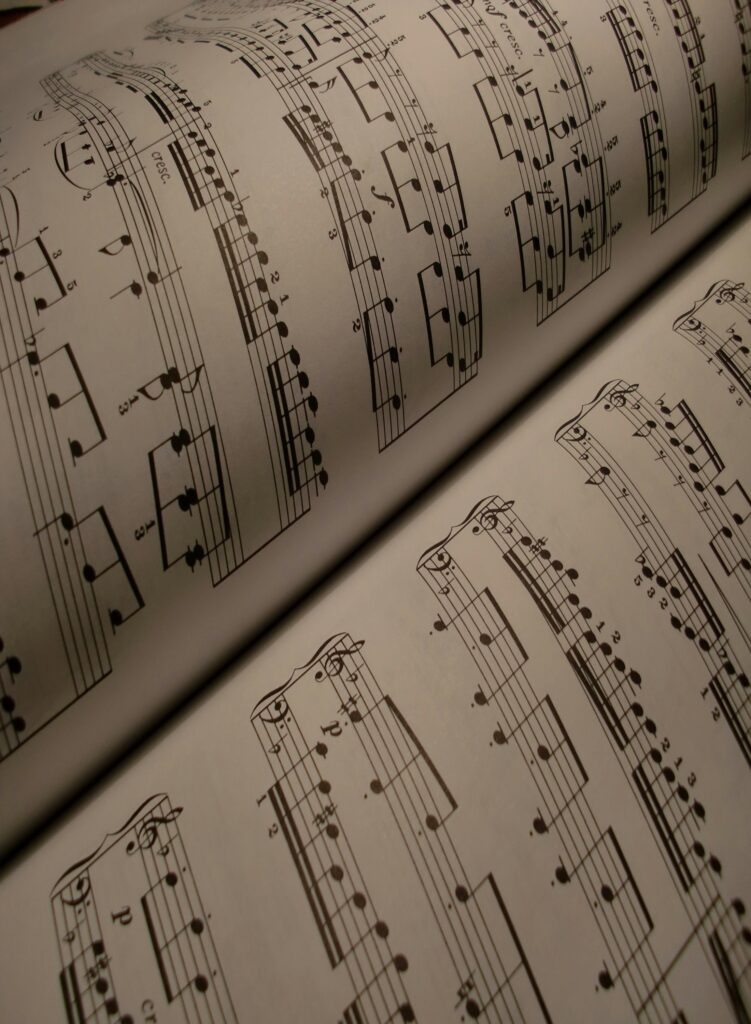
Photo by Pixabay: https://www.pexels.com/photo/music-sheet-page-210804/

Why the Left Hand Matters in Blues Piano

The left hand in blues piano is all about feel and rhythm. It creates:

  • The foundation for the right hand’s melody and improvisation.
  • The rhythmic groove that propels the song forward.
  • The harmonic framework (chords) on which the melody is built.

Because blues often relies on small group or solo performance settings, especially in its early forms, pianists often had to cover both the bassline and harmony in the left hand. That’s why left-hand mastery is so critical in this style.


Common Blues Left-Hand Patterns

1. The Shuffle Pattern

One of the most iconic left-hand patterns in blues is the shuffle pattern. It’s a swinging, rolling pattern that alternates between the root and the fifth or sixth of the chord.

In C (basic shuffle)

BeatsNotes
1C – G
2C – A
3C – G
4C – A

This pattern creates a lilting swing feel, the hallmark of classic slow and medium-tempo blues. You’ll apply this same concept to the IV chord (F7) and the V chord (G7).

Pattern for F7

BeatsNotes
1F – C
2F – D
3F – C
4F – D

Pattern for G7

BeatsNotes
1G – D
2G – E
3G – D
4G – E

This shuffle feel is essential for slow and mid-tempo blues songs.


2. Boogie-Woogie Walking Bass

If you’re aiming for something faster and more driving, you can use a boogie-woogie walking bass line in the left hand. This pattern moves up and down the chord tones with a steady, chugging rhythm.

Basic Boogie in C

BeatsNotes
1C – E
2G – A
3Bb – A
4G – E

This gives your left hand a constant rolling motion, perfect for uptempo blues and rock and roll.

You can adjust the walking bass for F7 and G7 by following the same pattern but starting on F or G.

Pattern for F7

BeatsNotes
1F – A
2C – D
3Eb – D
4C – A

Pattern for G7

BeatsNotes
1G – B
2D – E
3F – E
4D – B

This boogie feel works beautifully for faster blues, especially boogie-woogie tunes.


3. Walking Bass Line (Jazz-Influenced Blues)

A more jazz-influenced walking bass line involves connecting the chords with stepwise motion. This works well for slower or medium swing blues, giving a more melodic and flowing bass line.

Walking Bass for C7 (12-bar blues)

BarNotes
1C – E – G – A – Bb – A – G – E
2C – D – E – F – F# – G – G – A
3Bb – A – G – E – C – D – E – F
4G – E – G – A – Bb – A – G – E

Moving to F7

BarNotes
5F – A – C – D – Eb – D – C – A
6F – G – A – Bb – B – C – D – Eb

This kind of walking bass is more challenging but extremely effective in blues with jazz influences, like Chicago blues.


4. Basic Drone or Chord Stabs

If you’re just starting out, you can use simple chord stabs or root note drones in the left hand. This works especially well for slow blues, where you want to leave a lot of space.

Example (Key of C)

BeatsNotes
1C7 (whole chord)
2Rest
3C7 (whole chord)
4Rest

This leaves space for the right hand to improvise, while keeping the left-hand rhythmic pulse intact.


Combining Left-Hand Patterns with Right-Hand Improvisation

Once you feel comfortable with your left-hand patterns, you can begin adding right-hand riffs and licks. The blues scale is your best friend for right-hand improvisation.

C Blues Scale

C – Eb – F – F# – G – Bb – C

Play a left-hand shuffle and experiment with simple licks, such as:

  • C – Eb – F – G – F – Eb – C
  • G – F – Eb – C

The contrast between the steady left hand and the improvised right hand is the key to authentic blues.


Developing Muscle Memory

Since the left hand often plays repeating patterns, it’s crucial to develop muscle memory. This means practicing your left-hand patterns slowly and repeatedly, until you can play them without thinking.

Try practicing your left-hand patterns alone, then adding simple right-hand notes. Even a few single notes can add plenty of character when the left hand drives the rhythm.


Adding Turnarounds

A turnaround is a short riff or chord sequence at the end of the 12-bar form that brings you back to the top. Turnarounds often happen in bars 11 and 12 and can be played with both hands, but the left hand can carry a big part of it.

Simple Turnaround in C

BarNotes
11C – E – G – A – Bb – A – G – E
12C – G – A – Bb – A – G – F – E

Turnarounds are signature moments in blues playing — they add flair and signal the loop back to the top.


Final Tips for Blues Left-Hand Mastery

  • Keep it steady — Rhythm is king in blues piano.
  • Start slow — Speed comes naturally once your patterns are solid.
  • Listen to the masters — Pianists like Otis Spann, Pinetop Perkins, and Professor Longhair were left-hand wizards.
  • Experiment — Mix and match patterns to create your unique groove.

Mastering left-hand patterns and riffs in blues piano is about more than just technique — it’s about capturing the groove, feel, and storytelling spirit of the blues. Whether you favor simple shuffle patterns, driving boogie-woogie lines, or more intricate walking bass riffs, your left hand holds the key to unlocking authentic blues piano playing.

The best way to get better is to play along with recordings, jam with other musicians, and most importantly — have fun. The blues is all about expressing yourself, and your left hand is the foundation for all of it.

The written content on this page was generated by perplexity.ai

Beginner Lessons on 12-Bar Blues Piano: A Step-by-Step Guide

The 12-bar blues is the heart and soul of blues music. Whether you’re just starting your piano journey or looking to explore the blues for the first time, learning the 12-bar blues form is an essential foundation. With its simple structure, emotional depth, and endless improvisational potential, it’s a great way for beginners to develop musical confidence and rhythmic feel. In this article, we’ll break down everything you need to get started with playing 12-bar blues on piano, including the chords, rhythms, left-hand patterns, right-hand riffs, and some tips to sound authentic.


What is the 12-Bar Blues?

The 12-bar blues is a repeating chord progression that lasts for twelve measures (bars). It’s the backbone of thousands of songs in blues, rock, jazz, and even pop music. Its beauty lies in its simplicity, making it accessible for beginners while offering endless opportunities for improvisation.

The basic structure follows this format in the key of C:

  • Bars 1-4: C7
  • Bars 5-6: F7
  • Bars 7-8: C7
  • Bar 9: G7
  • Bar 10: F7
  • Bar 11-12: C7 (sometimes G7 at the end)

This is known as the I-IV-V progression — the C7, F7, and G7 chords are the primary building blocks of the blues in the key of C.


Step 1: Learn the Basic Chords

The dominant 7th chords are crucial for authentic blues sound. Here are the three chords you’ll need for 12-bar blues in C:

  • C7 (C – E – G – Bb)
  • F7 (F – A – C – Eb)
  • G7 (G – B – D – F)

These chords are four-note chords, adding the flattened 7th (the “bluesy” note) to basic major chords. Practice switching between these chords smoothly before moving to the next step.


Step 2: Play the 12-Bar Form with Basic Chords

Once you have the chords under your fingers, try playing the 12-bar progression using simple block chords or basic chord stabs (playing the whole chord on the beat).

Here’s a breakdown of the 12 bars in C:

BarChord
1C7
2C7
3C7
4C7
5F7
6F7
7C7
8C7
9G7
10F7
11C7
12G7 (optional turnaround)

Play through this a few times, just holding the chords for 4 beats each.


Step 3: Introduce a Left-Hand Pattern

Blues piano gets much of its groove and drive from the left hand, which typically plays a rhythmic, repeating pattern known as an ostinato. The most common left-hand style for beginners is a boogie-woogie bass line or a walking bass pattern.

Basic Left-Hand Shuffle Pattern (C)

Play this pattern in the left hand, moving between C and G:

C – E – G – A

You’re alternating between the 5th and 6th notes of the chord, which creates that rolling blues feel. You can apply the same approach to F7 and G7 when the chords change.

  • F pattern: F – A – C – D
  • G pattern: G – B – D – E

Start slowly and lock into a steady groove before you try adding anything with the right hand.


Step 4: Add a Simple Right-Hand Melody or Riff

The blues scale is your friend when it comes to creating right-hand riffs. The C blues scale looks like this:

C – Eb – F – F# – G – Bb – C

This scale works over the entire 12-bar blues progression in C. Here’s an easy beginner lick to try with your right hand:

  • C – Eb – F – G – F – Eb – C

You can repeat it at different points in the form, or vary it slightly for some improvisational flavor.


Step 5: Putting It All Together

Now, try putting both hands together:

  1. Play the left-hand shuffle pattern.
  2. In the right hand, add some basic riffs using the C blues scale.
  3. Don’t worry about speed — focus on keeping a steady groove.

You might start with a simple call-and-response technique:

  • Left-hand plays the chord pattern.
  • Right-hand plays a short lick in between.

This approach helps you build coordination without overwhelming yourself.


Step 6: Practice a Turnaround

The turnaround is the final 2 bars of the 12-bar blues, where the chord progression cycles back to the top. A classic turnaround riff helps tie the form together.

Here’s an easy turnaround lick in C:

BeatsNotes
1E – G – A – Bb
2G – A – Bb – A
3F – G – F
4E – G (leading back into the top)

Turnarounds add professional polish, even to simple blues.


Step 7: Practice with a Slow Shuffle Groove

If you can, practice along with a slow blues shuffle backing track. This helps you:

  • Develop timing.
  • Learn to leave space (don’t overplay).
  • Get comfortable playing within the groove.

Common Mistakes to Avoid

  • Playing too fast – Blues is often slow and soulful.
  • Ignoring rhythm – Groove matters more than flashy notes.
  • Forgetting to listen – Blues is a conversation, even when you’re playing solo.

Final Tip: Feel It

Blues isn’t just about notes and chords — it’s about feeling. Don’t be afraid to:

  • Bend notes (grace notes).
  • Slightly delay your right-hand licks for extra soul.
  • Experiment — the best blues pianists have their own sound.

Sample Practice Routine

  1. Warm up with C blues scale.
  2. Practice left-hand shuffle pattern in C, F, and G.
  3. Play the full 12-bar blues with both hands, adding simple right-hand riffs.
  4. Add a turnaround.
  5. Jam along with a backing track or metronome.

The 12-bar blues piano is an ideal starting point for beginners looking to explore blues music. Its straightforward structure makes it accessible, but its potential for expression and creativity is nearly endless. By mastering basic chords, left-hand patterns, blues scales, and turnarounds, you’ll have a solid foundation to build upon as you develop your personal blues style.

Whether you dream of playing in a smoky jazz club, jamming with friends, or just enjoying the blues at home, the 12-bar blues is your gateway into this timeless genre. Take it slow, feel the groove, and most of all — have fun.

The written content on this page was generated by perplexity.ai

“I’ve Been Loving You Too Long” by Otis Redding: A Soulful Ode to Love’s Resilience

Few voices in the history of music have captured the essence of love’s redemptive power as effectively as Otis Redding’s. In his timeless classic, “I’ve Been Loving You Too Long,” Redding’s impassioned vocals soar as he poignantly confesses his deep and unwavering love. The song is a testament to love’s resilience, as he acknowledges the time and effort he has invested in this affection. It’s a raw and powerful ballad that speaks to the transformative capacity of love, even in the face of heartache and despair.

The Unforgettable Otis Redding:

Otis Redding, often referred to as the “King of Soul,” left an indelible mark on the world of music with his emotional and soul-stirring performances. Born in Dawson, Georgia, in 1941, Redding’s life was tragically cut short in a plane crash in 1967, leaving behind a legacy that continues to inspire and move audiences to this day. He was not just a talented singer but also a gifted songwriter, and his songs resonated with listeners on a profound level. “I’ve Been Loving You Too Long” is a testament to his ability to convey deep emotions through music.

A Love That Endures:

“I’ve Been Loving You Too Long” is a heartfelt love ballad that explores the enduring nature of affection. The song’s narrative is a poignant confession of love, with Redding expressing the depth of his feelings and the time he has devoted to this relationship. In the opening lines, he sings, “I’ve been loving you too long to stop now / You are tired, and you want to be free.” These lyrics set the stage for a love story filled with passion, sacrifice, and a willingness to continue despite the odds.

The song’s central theme revolves around the idea that love can withstand the test of time, even when it’s met with weariness and challenges. Redding’s emotionally charged vocals and the song’s melancholic melody draw listeners into the heart of this love story, allowing them to feel the pain, devotion, and determination in his voice.

The Power of Redemptive Love:

One of the most compelling aspects of “I’ve Been Loving You Too Long” is its exploration of love as a redemptive force. Redding’s ability to convey the idea that love can heal wounds and transform lives is nothing short of remarkable. Throughout the song, he uses vivid and poetic language to describe the all-encompassing nature of his love, singing, “I’m sorry, baby, I didn’t mean to make you cry / I didn’t mean to make you cry, but I love you more and more each day.”

In these lines, he acknowledges the pain and suffering he may have caused but emphasizes that his love has only grown stronger. This portrayal of love as a force that can repair and renew is a recurring theme in many of Redding’s songs, making him a true master of capturing the redemptive power of love.

The Emotional Performance:

One of the reasons “I’ve Been Loving You Too Long” remains such a timeless classic is Redding’s soul-stirring vocal performance. His ability to convey raw, unfiltered emotion is unparalleled. When he sings, “With a love that’s so strong and so real,” you can feel the intensity of his love in every note and every inflection.

Redding’s vocal style, often described as a blend of gospel and rhythm and blues, is a perfect match for the song’s subject matter. His gritty and passionate delivery tugs at the heartstrings and leaves an indelible mark on the listener. Each line is delivered with such sincerity and conviction that it’s impossible not to be moved by the depth of feeling expressed in the song.

Musical Brilliance:

The musical arrangement of “I’ve Been Loving You Too Long” is as emotionally charged as Redding’s vocals. The song features a lush and soulful orchestration, with powerful horns and a backing choir that adds depth and intensity to the performance. The slow tempo and the use of string instruments create a sense of longing and melancholy that complements the lyrical content perfectly.

The arrangement is a testament to the genius of the Stax Records house band, Booker T. & the M.G.’s, who provided the backing for many of Redding’s songs. Their ability to create a musical backdrop that enhances the emotional impact of the lyrics is a key element in the song’s enduring appeal.

Influence and Legacy:

“I’ve Been Loving You Too Long” has had a lasting influence on the world of music. It has been covered by numerous artists, including Etta James, Seal, and Ike and Tina Turner, demonstrating the enduring power of the song. Redding’s ability to connect with listeners on a deeply emotional level has made his music a source of inspiration for generations of musicians.

The song’s impact also extends to its use in various forms of media, from films and television shows to commercials. Its inclusion in the 1991 film “The Commitments” and the 2009 film “The Boat That Rocked” further solidified its status as a classic love ballad.

“I’ve Been Loving You Too Long” by Otis Redding is a testament to the enduring power of love and the ability of music to convey deep emotions. Redding’s soul-stirring performance, coupled with the song’s poetic lyrics and powerful musical arrangement, has solidified its place in the pantheon of timeless classics. The song’s message of love’s resilience and its capacity for redemption continues to resonate with audiences, making it a cherished piece of musical history. Otis Redding’s legacy lives on through this iconic track, reminding us of the profound emotional impact that music can have on our lives.

Content generated by ChatGPT

The Redemption of Love: Joy Amidst the Blues

In the soulful realm of the blues, where melancholy and longing often reign, there exists a side that celebrates the profound joy of finding true love. These songs stand as a testament to the redemptive power of love, showing that amidst the heartaches and tribulations, love has the potential to heal, renew, and bring profound happiness. Artists like Otis Redding and Al Green have serenaded us with melodies that speak to love as a source of salvation, and in songs like “I’ve Been Loving You Too Long” and “Let’s Stay Together,” they remind us that love’s redeeming qualities are an essential part of the blues’ enduring legacy.

  1. “I’ve Been Loving You Too Long” by Otis Redding

Few voices have captured the essence of love’s redemptive power as effectively as Otis Redding’s. In “I’ve Been Loving You Too Long,” Redding’s impassioned vocals soar as he poignantly confesses his deep and unwavering love. The song is a testament to love’s resilience, as he acknowledges the time and effort he has invested in this affection. It’s a raw and powerful ballad that speaks to the transformative capacity of love, even in the face of heartache and despair.

Redding’s delivery is soul-stirring and emotional, making it impossible not to be moved by the sincerity in his voice. The song carries a sense of longing, but it’s not a lament; it’s a declaration of love’s ability to endure and heal. “I’ve Been Loving You Too Long” reminds us that, amidst the blues, love has the strength to uplift and redeem the soul.

  1. “Let’s Stay Together” by Al Green

Al Green’s “Let’s Stay Together” is an iconic love song that resonates with the idea of love as a source of salvation. The song’s warm, inviting melody and Green’s silky-smooth vocals have made it a timeless classic. “I’m so in love with you, whatever you want to do is all right with me,” Green croons, embracing love’s transformative power and its capacity to bring joy and harmony.

The lyrics of “Let’s Stay Together” affirm a commitment to love and partnership, no matter the challenges that may arise. The song captures the redemptive aspect of love, as it promises to heal wounds and provide solace. Green’s velvety voice adds a layer of tenderness to the song, making it a testament to the restorative capabilities of love.

  1. The Joyful Redemption of Love in the Blues

These songs by Otis Redding and Al Green exemplify the profound joy and redemption that love can bring within the blues genre. While the blues often delve into themes of heartbreak and hardship, they also hold a special place for songs that celebrate the transformative power of love.

a. Love as a Healing Force

Love has the ability to heal and mend emotional wounds. It can be a source of solace and comfort during difficult times. In the blues, songs that celebrate love’s redemptive power serve as a reminder that, no matter the trials and tribulations, love can be a healing force that helps individuals find their way out of the darkest of circumstances.

b. Love as a Source of Renewal

True love has the remarkable capacity to renew the spirit and inspire hope. The blues, at their core, acknowledge the depths of human experience, including heartache and longing. However, they also recognize that love has the power to renew and restore what was once lost, giving life a new sense of purpose and meaning.

c. Love’s Potential for Joy

Love in the blues is not merely about heartbreak and pain; it’s also about joy and happiness. These songs celebrate the joyful side of love, where it becomes a source of strength, inspiration, and profound contentment. Love, when celebrated in the blues, can offer a glimpse of the brighter aspects of life and human connection.

Amidst the tales of heartbreak and longing that often define the blues, there’s a powerful undercurrent of joy and redemption that love brings to the genre. Songs like Otis Redding’s “I’ve Been Loving You Too Long” and Al Green’s “Let’s Stay Together” serve as a testament to the restorative power of love. They remind us that, despite the trials and tribulations of life, love has the potential to heal, renew, and bring profound happiness.

In the blues, love is a multifaceted emotion, encompassing both its melancholic and joyful aspects. It serves as a beacon of hope in the darkest of times and a source of solace when our hearts ache. These songs stand as a testament to the enduring legacy of the blues and the redemptive qualities of love that continue to resonate with audiences around the world. Through their timeless melodies and heartfelt lyrics, they inspire us to embrace love as a force that can uplift and transform our lives, even in the midst of the blues.

Content generated by ChatGPT

The Blues: An Ageless Mirror of the Human Experience

The essence of the blues lies in its relatability. It’s a musical form that speaks to the core of the human experience—our triumphs and tribulations, our joys and sorrows. When an artist authentically improvises in the blues, they create a space where listeners can find solace in the knowledge that they are not alone in their emotions.

The blues, with its origins deeply rooted in African-American history and culture, has transcended time and place to become a universal language of the heart. It’s a genre that carries the weight of centuries of struggle, but also the resilience of the human spirit. As we delve into the world of the blues, we discover that its essence lies in its remarkable ability to reflect and connect with the shared human experience.

A Brief History of the Blues

The blues emerged from the Mississippi Delta in the late 19th century, born from the hardships and injustices faced by African Americans during a tumultuous period in American history. Rooted in African musical traditions, spirituals, work songs, and field hollers, the blues gave voice to the pain and suffering endured by those who had been enslaved and marginalized.

At its core, the blues was a form of storytelling, a way for individuals to express their feelings and experiences through music. It was a raw, unfiltered outlet for emotions, with lyrics that often spoke of heartache, loss, poverty, and the harsh realities of life. The simplicity of the blues, with its distinctive 12-bar structure, made it accessible to a wide range of musicians, allowing it to spread like wildfire.

Over the years, the blues evolved and diversified, giving rise to various subgenres like Delta blues, Chicago blues, and Texas blues. It found a home in juke joints and on street corners, where it resonated with both African American communities and, eventually, a broader, diverse audience.

The Universal Appeal of the Blues

One of the remarkable aspects of the blues is its universal appeal. Despite its origins in the African American experience, the emotions and themes conveyed in the blues are relatable to people of all backgrounds. The blues transcends racial, cultural, and geographical boundaries because it taps into the fundamental human experience of pain, love, hope, and despair.

At its core, the blues serves as a mirror that reflects the ups and downs of life. When we listen to blues music, we hear stories of heartbreak, betrayal, and longing. We also hear stories of resilience, hope, and the enduring human spirit. In this way, the blues becomes a vessel for empathy, allowing listeners to connect with the emotions and experiences of others.

Authenticity in the Blues

Authenticity is a cornerstone of the blues. To truly convey the essence of the genre, artists must pour their hearts and souls into their music. When a blues musician improvises on their instrument or pours their soul into their vocals, they create a space where listeners can find solace and connection. It’s in those unscripted, raw moments that the blues truly comes to life.

In the blues, improvisation is not just a technical skill; it’s a form of emotional expression. It’s the artist baring their soul through their instrument or their voice. When a guitarist bends a string to evoke a mournful wail or a vocalist belts out lyrics with raw, unbridled passion, they are channeling the very essence of the blues.

The Blues as a Healing Force

The blues has a unique power to heal. It provides a safe space for people to confront their own pain and suffering, knowing that they are not alone in their struggles. Listening to blues music can be a cathartic experience, allowing listeners to release pent-up emotions and find solace in the music’s emotional resonance.

Moreover, the blues has been used as a tool for social change and empowerment. During the Civil Rights Movement in the United States, blues songs became anthems of hope and resistance. Artists like B.B. King, Muddy Waters, and Nina Simone used their music to address social injustices and inspire change. The blues, with its roots in the African American experience, became a powerful tool for advocating for equality and justice.

The Enduring Legacy of the Blues

As time has passed, the blues has continued to evolve and influence other musical genres, from rock ‘n’ roll to jazz and beyond. Its impact on the world of music is immeasurable. The blues has also found a place in modern pop culture, with contemporary artists drawing inspiration from its rich tradition.

In recent years, there has been a resurgence of interest in the blues as a form of authentic, emotional expression. Young musicians are discovering the power of the blues and incorporating it into their own musical journeys. This revitalization ensures that the blues will continue to be a relevant and cherished art form for generations to come.

The Timeless Language of the Blues

The essence of the blues lies in its ability to speak to the heart and soul of humanity. It is a musical genre that transcends time and place, connecting people from all walks of life through the shared experience of joy, pain, and everything in between. When an artist authentically improvises in the blues, they create a profound connection with their audience, offering solace and a sense of belonging.

In a world that often feels divided and disconnected, the blues serves as a reminder of our shared humanity. It is a timeless mirror that reflects our triumphs and tribulations, our joys and sorrows. In the blues, we find not only music but also a profound sense of community and understanding—a reminder that, no matter our differences, we are all bound by the threads of the human experience.

Content generated by ChatGPT

The Soulful Journey of Authentic Blues Improvisation: Sincerity, Passion, and the Human Connection


Juan Pablo Serrano Arenas

Follow

In the realm of music, few genres possess the raw, unfiltered emotion that the blues exudes. It’s a musical genre that reaches deep into the soul, connecting listeners with a powerful and primal experience. At the heart of authentic blues improvisation lies a delicate balance between sincerity, passion, vulnerability, and human connection. While technical proficiency and skill are undoubtedly important, the true essence of blues improvisation transcends mechanical execution, demanding that artists tap into their innermost emotions to create a genuine connection with both the music and the audience.

Beyond the Mechanical: Scales and Styles

Blues music isn’t simply about playing the right notes or replicating well-known styles. It’s a genre that thrives on the organic, the unpolished, and the heartfelt. While understanding scales, chord progressions, and the techniques of great blues musicians is crucial, these elements serve as the foundation rather than the pinnacle of blues improvisation.

True mastery of the blues goes beyond mimicry. It requires artists to delve into their own emotional landscapes, mining their personal experiences, joys, sorrows, and struggles. The goal isn’t to regurgitate someone else’s sound, but to channel one’s own unique perspective through the medium of music. It’s in this authenticity that the true magic of blues improvisation comes alive.

The Essence of Sincerity and Passion

Sincerity and passion are the twin engines that drive authentic blues improvisation. It’s not about simply playing the right notes at the right time—it’s about infusing each note with a piece of one’s own soul. When a blues artist pours their heart into their music, the listener can feel it. It’s an ineffable quality that transcends technical precision and resonates on a deeply emotional level.

Passion is what ignites a performance, setting it ablaze with intensity and fire. It’s the force that propels the artist to reach into the depths of their being, pulling out fragments of their experience and weaving them into the music. Passion is what transforms a sequence of notes into a compelling narrative, each phrase a heartfelt expression of the artist’s innermost feelings.

The Vulnerable Art of Blues

Authentic blues improvisation demands vulnerability. It’s about stripping away pretense and allowing oneself to be exposed, flaws and all. In a world that often encourages us to put on masks and hide our true selves, the blues serves as a powerful antidote. It’s a reminder that vulnerability is strength, and that sharing our struggles and emotions is an act of courage.

When a blues artist opens themselves up to vulnerability, they invite the audience to connect on a deeply human level. The music becomes a conduit for shared experiences, reminding us that, despite our differences, we all navigate the complexities of life, love, and loss. The blues becomes a universal language, transcending cultural and societal barriers to create a genuine connection.

A Universal Human Experience

The essence of the blues lies in its relatability. It’s a musical form that speaks to the core of the human experience—our triumphs and tribulations, our joys and sorrows. When an artist authentically improvises in the blues, they create a space where listeners can find solace in the knowledge that they are not alone in their emotions.

Blues improvisation reminds us that our emotions are valid, that our stories matter. It’s a celebration of the human spirit’s resilience, a testament to the power of music to heal and uplift. Whether in the smoky ambiance of a dimly lit jazz club or through the speakers of a car stereo, the blues resonates with us because it speaks to the shared emotions that make us inherently human.

Authentic blues improvisation is a profound journey that goes beyond technical mastery. It’s a soulful exploration of sincerity, passion, vulnerability, and human connection. To improvise in the blues is to tap into the deepest recesses of one’s emotions, creating a musical dialogue that transcends words. It’s a reminder that, in the world of music and beyond, sincerity and vulnerability are the bridges that connect us all.

Content generated by ChatGPT