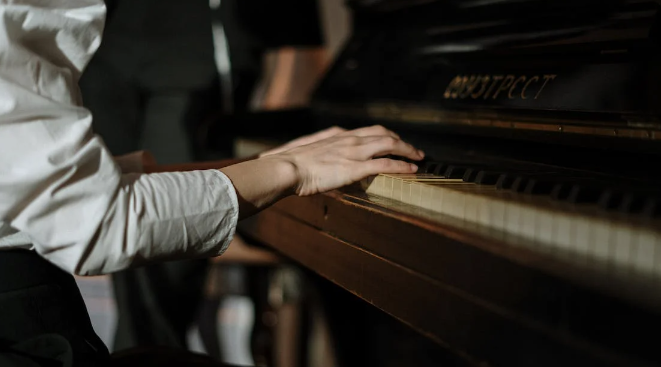
The 12-bar blues is a musical form that has been a staple of American music for over a century. It has been used in a variety of genres, including blues, rock, jazz, and country music. The 12-bar blues is built around a specific chord progression that is often played in the key of C.
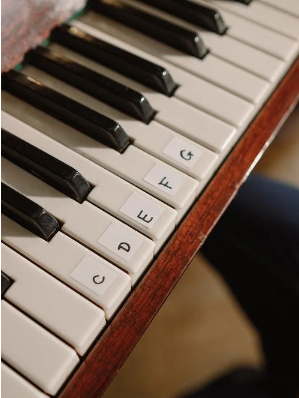
The 12-bar blues in C is a basic structure that consists of three chords: C7, F7, and G7. The C7 chord is the I chord, the F7 chord is the IV chord, and the G7 chord is the V chord. The structure of the 12-bar blues in C is as follows:
I IV I I
IV IV I I
V IV I V
The first line consists of four bars of the I chord, followed by two bars of the IV chord, and two more bars of the I chord. The second line repeats the same pattern, with two bars of the IV chord followed by two bars of the I chord. The third line consists of two bars of the V chord, two bars of the IV chord, and two more bars of the I chord. This brings us back to the beginning of the progression, and the cycle starts again.
One of the defining characteristics of the 12-bar blues is the use of the dominant 7th chord. The dominant 7th chord is a four-note chord that adds a flattened 7th note to the basic triad. In the key of C, the C7 chord is made up of the notes C, E, G, and Bb. The F7 chord is made up of the notes F, A, C, and Eb, while the G7 chord is made up of the notes G, B, D, and F.
The 12-bar blues in C is a very simple chord progression, but it can be used to create a wide range of musical styles and emotions. One of the reasons that it has been so popular over the years is its flexibility. The basic structure of the 12-bar blues can be adapted to fit different musical styles, tempos, and moods.
For example, the tempo of the 12-bar blues can be slowed down or sped up, depending on the desired mood. A slow blues in C might have a tempo of around 60-80 beats per minute, while a faster blues might have a tempo of 120-150 beats per minute. The rhythm of the chords can also be changed, with different strumming or picking patterns used to create different effects.
Another way that the 12-bar blues can be adapted is by adding variations to the basic structure. Musicians might add extra chords, such as the IV7 or the VI7 chord, to create more complex harmonic textures. They might also add extra bars to the progression, such as a turnaround at the end of each cycle. A turnaround is a short chord progression that leads back to the beginning of the 12-bar blues.
The 12-bar blues in C can also be adapted to different musical genres. For example, a blues rock band might use power chords instead of the dominant 7th chords, to create a more aggressive sound. A jazz musician might add more complex chords, such as the diminished or augmented chords, to create a more sophisticated harmonic palette.
In addition to the chord progression, the 12-bar blues is also defined by its lyrics and vocal style. Blues lyrics often deal with themes of loss, heartbreak, and hardship. They might use metaphors and imagery to convey these emotions, such as “I woke up this morning, feelin’ round for my shoes” or “I got a mean old woman, she won’t let me be.” Blues singers often use.