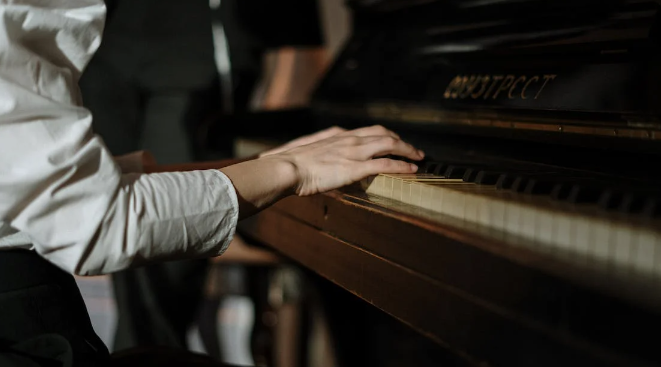
In an era dominated by digital production and algorithm-driven music, blues piano stands out for its honesty. Every note feels intentional. Every pause carries meaning. The piano, with its wide dynamic range, allows artists to express vulnerability, joy, frustration, and hope in a way few instruments can. Even as music technology continues to evolve in 2026, the timeless spirit of blues piano remains deeply relevant—connecting audiences with emotion, history, and the raw essence of musical storytelling.
A Foundation of Modern Music
Blues piano is more than just a musical style; it is one of the foundational pillars of modern popular music. Long before digital audio workstations and streaming algorithms shaped what listeners hear, blues musicians were crafting deeply expressive performances in clubs, homes, and small venues across the American South.
The influence of early pioneers such as Meade Lux Lewis and Albert Ammons helped define the boogie-woogie piano style, which later influenced rock and roll, rhythm and blues, and jazz. Their energetic left-hand bass patterns and improvisational right-hand melodies set the stage for generations of musicians.
Today’s musicians may use modern tools, but the harmonic structures and emotional storytelling that define the blues continue to shape contemporary genres—from indie rock to hip-hop and neo-soul. Even artists working entirely in digital environments often rely on chord progressions and rhythms rooted in blues traditions.
Emotional Authenticity in a Digital World
Music in 2026 is more accessible than ever. Artificial intelligence can compose melodies, generate instrumentals, and even mimic human voices with astonishing realism. While these innovations have expanded creative possibilities, they have also raised questions about authenticity.
Blues piano offers a powerful counterbalance to this trend. It is fundamentally human. The slight imperfections in timing, the pressure of a pianist’s fingers on the keys, and the spontaneous improvisations all contribute to a performance that feels alive.
Legendary performers like Otis Spann demonstrated how a pianist could turn a simple chord progression into a deeply emotional experience. Each performance became a conversation between the musician and the listener, filled with subtle nuances that cannot easily be replicated by machines.
In an age where much of music consumption happens through playlists and automated recommendations, audiences increasingly value this kind of authenticity. Blues piano provides a reminder that music is not only about technical perfection—it is about expression.
A Living Musical Tradition
Another reason blues piano still matters in 2026 is that it remains a living, evolving tradition. While the roots of the blues stretch back more than a century, modern pianists continue to reinterpret the style in fresh ways.
Artists like Dr. John helped bridge traditional blues piano with funk, jazz, and New Orleans rhythms, demonstrating how the genre could expand while maintaining its core identity. Contemporary musicians are continuing that tradition by blending blues with modern genres such as soul, alternative rock, and electronic music.
Music schools and conservatories also continue to teach blues piano as a key part of musical education. Learning the blues helps students understand rhythm, improvisation, and emotional phrasing—skills that apply to nearly every style of music.
In this sense, blues piano serves both as a historical foundation and a training ground for future musicians.
The Power of the Piano Itself
The piano remains one of the most versatile instruments in music. With 88 keys and the ability to produce melody, harmony, and rhythm simultaneously, it allows a single performer to create a full musical experience.
This versatility is particularly powerful in blues music. A pianist can alternate between thunderous bass lines and delicate melodic phrases within the same song. A quiet passage can suddenly explode into energetic boogie-woogie rhythms, creating dramatic contrasts that keep listeners engaged.
The expressive possibilities of the piano also make it ideal for improvisation. Blues musicians often build entire performances around spontaneous ideas, responding to the mood of the room or the emotions they want to convey in the moment.
That sense of immediacy—of music being created in real time—is one of the reasons audiences continue to connect with blues piano today.
Cultural and Historical Significance
Blues piano also carries deep cultural importance. The blues emerged from African American communities in the late 19th and early 20th centuries, reflecting lived experiences of hardship, resilience, and hope.
Pianists like Memphis Slim used their music not only to entertain but also to tell stories about everyday life. Their songs captured moments of struggle, humor, love, and perseverance.
In 2026, these historical roots continue to resonate. The blues remains a powerful reminder of how music can document social realities while offering emotional release. It preserves cultural memory while continuing to inspire new generations of artists.
Many modern musicians see the blues not as a relic of the past but as a living language—one that still speaks to contemporary issues and emotions.
Blues Piano in the Streaming Era
The way people discover music has changed dramatically in the past decade. Streaming platforms now dominate the industry, and algorithm-driven playlists often determine which songs gain widespread attention.
At first glance, this environment might seem unfavorable for traditional genres like blues. Yet the opposite is often true. Digital platforms have allowed niche musical communities to flourish, connecting listeners who share specific interests.
A blues piano performance recorded in a small club can now reach listeners across the world within hours. Independent musicians can build dedicated audiences without relying on major record labels.
Social media and video platforms have also helped introduce younger audiences to blues piano. Short-form performance clips, live-streamed jam sessions, and educational tutorials have made the style more accessible than ever.
Inspiration for New Artists
Perhaps the most compelling reason blues piano still matters is the inspiration it provides for new musicians. Learning to play the blues teaches more than just a musical style—it teaches emotional expression, musical listening, and creative risk-taking.
Young pianists often begin by studying classic blues patterns before developing their own voice. Through improvisation, they learn how to transform simple musical ideas into unique personal statements.
This process mirrors the original spirit of the blues, where musicians built upon shared traditions while adding their own experiences and perspectives.
In a world where music production can sometimes feel detached from live performance, blues piano encourages artists to reconnect with the physical act of playing and the emotional depth of storytelling.
Looking Forward
As technology continues to shape the music industry, genres like blues piano provide an essential reminder of where music comes from. They highlight the importance of human expression, cultural history, and emotional honesty.
Blues piano matters in 2026 not because it resists change, but because it adapts while staying true to its roots. Each new generation of musicians discovers the style, reinterprets it, and carries it forward.
The sound of a blues pianist sitting at a piano—striking a chord, pausing, and letting the music breathe—still holds the power to captivate listeners. In a fast-paced digital world, that kind of authenticity is more valuable than ever.
Blues piano is not just part of music’s past. It is an enduring voice that continues to shape its future.
Content generated by ChatGPT