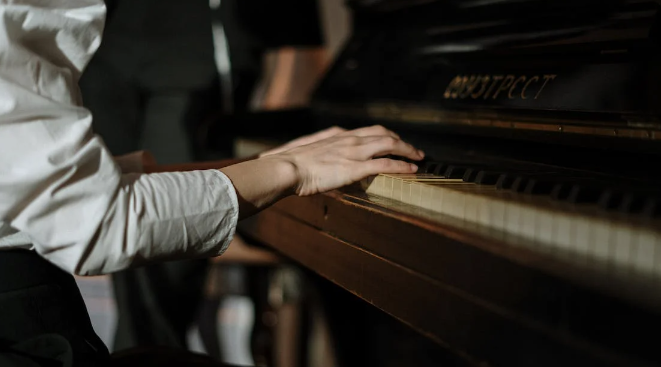
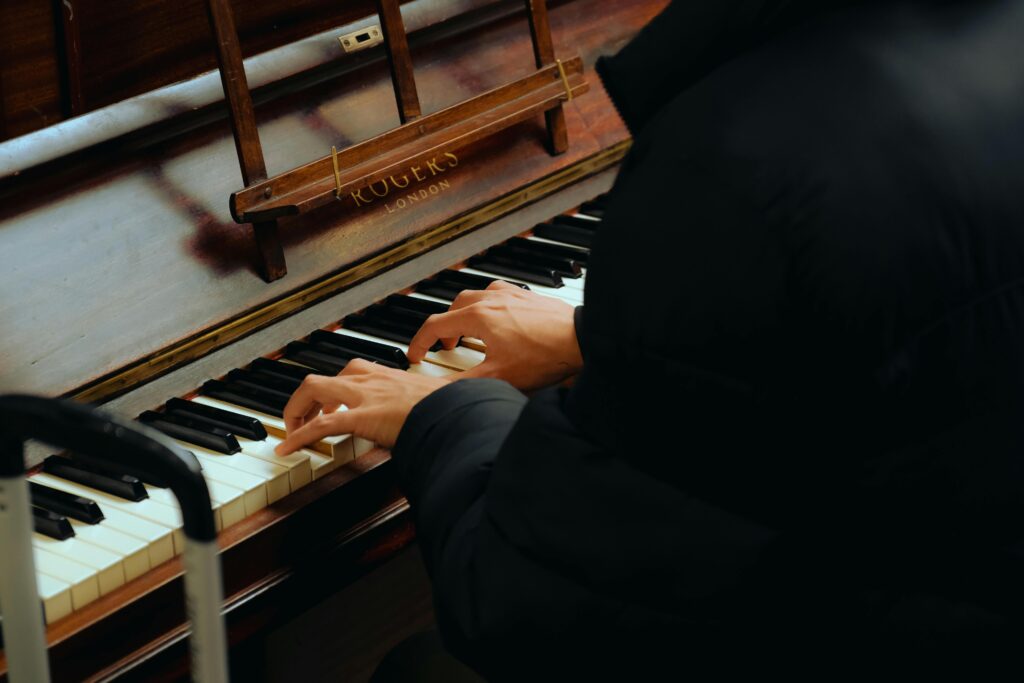
Blues piano has always been the heartbeat of the blues. Long before electric guitars and stadium amplifiers, pianos filled juke joints, barrelhouses, churches, and living rooms with raw emotion and storytelling power. In 2026, blues piano continues to evolve—honoring its roots while embracing modern production, cross-genre influences, and a new generation of artists who keep the sound alive. A well-curated Blues Piano playlist in 2026 isn’t just background music; it’s a journey through time, culture, and feeling.
This playlist blends classic masters, modern revivalists, and contemporary innovators, creating a listening experience that feels both timeless and fresh. Whether you’re a lifelong blues fan or discovering piano blues for the first time, this collection captures the essence of the genre in today’s musical landscape.
The Roots: Where Blues Piano Began
Any Blues Piano playlist worth its salt must start with the pioneers. Early blues pianists laid the foundation for everything that followed. Their playing was rhythmic, percussive, and deeply emotional, often mimicking the human voice or the stomp of dancing feet on wooden floors.
Artists like Pinetop Smith, Meade “Lux” Lewis, and Albert Ammons introduced boogie-woogie piano to the world, creating rolling bass lines that could drive a room into motion without a full band. Their influence still echoes in modern blues piano tracks, especially in the left-hand patterns many players use today.
In a 2026 playlist, these classics serve as anchors—reminders of where the blues came from and why piano remains such a powerful storytelling instrument. The crackle of old recordings, the imperfect timing, and the raw emotion give listeners a sense of authenticity that no modern polish can replace.
The Golden Era: Emotion Meets Sophistication
Moving forward in time, blues piano evolved into something more refined but no less powerful. Pianists like Otis Spann, Professor Longhair, and Ray Charles brought sophistication, gospel influence, and swing into the blues.
Otis Spann’s work with Muddy Waters showed how piano could support and elevate a band without overpowering it. Professor Longhair added New Orleans flair, blending blues with Caribbean rhythms and funk before those combinations were mainstream. Ray Charles blurred the lines between blues, soul, and jazz, proving that blues piano could be commercially successful while staying emotionally honest.
A Blues Piano 2026 playlist highlights this era as a turning point—where blues piano expanded its emotional range and reached broader audiences. These tracks feel warmer, fuller, and more expressive, making them perfect for listeners who enjoy melody-driven blues with depth.
Modern Revival: Keeping the Blues Alive
In the 21st century, blues piano found new life through artists who respected tradition while adding contemporary energy. Pianists like Marcia Ball, Kenny Wayne Shepherd (on piano-driven tracks), Bruce Katz, and Shemekia Copeland’s collaborators brought blues piano back into modern conversations.
These musicians often blend blues with rock, Americana, and soul, creating tracks that feel familiar yet current. In 2026, production quality is cleaner, tempos are more varied, and lyrical themes expand beyond heartbreak to include resilience, social commentary, and personal growth.
A modern blues piano playlist balances grit with clarity. The pianos sound rich and full, recorded with high fidelity, but the playing still carries the imperfections that make blues human. This section of the playlist is ideal for listeners who want classic blues feeling without sounding dated.
Contemporary Innovators: Blues Piano in 2026
What makes a Blues Piano playlist in 2026 truly special is the presence of contemporary innovators. These artists aren’t just preserving blues—they’re reshaping it. Some incorporate electronic textures subtly, while others fuse blues piano with jazz improvisation, hip-hop rhythms, or neo-soul influences.
Independent artists and global musicians now contribute to the blues scene, bringing diverse cultural perspectives. European blues pianists, Latin-influenced blues players, and Asian jazz-blues hybrids all find space in modern playlists. Streaming platforms and social media have made it easier for these artists to reach global audiences, enriching the blues piano sound in unexpected ways.
These tracks often feature:
- Minimalist arrangements focused on piano and vocals
- Experimental chord progressions rooted in blues scales
- Storytelling lyrics reflecting modern life
- Live-session recordings that emphasize authenticity
In 2026, blues piano feels alive, relevant, and connected to the present moment.
Mood and Flow: Crafting the Perfect Playlist
A great Blues Piano playlist isn’t just about individual songs—it’s about flow. The listening experience should feel intentional, guiding the listener through different moods and tempos.
A well-structured playlist might begin with slow, soulful ballads that draw listeners in emotionally. From there, it can build into mid-tempo grooves and boogie-woogie tracks that add energy and movement. Toward the end, the playlist can return to introspective pieces, leaving listeners reflective and satisfied.
This emotional arc makes the playlist suitable for various settings:
- Late-night listening
- Coffee shops and lounges
- Long drives
- Creative work or writing sessions
- Relaxed gatherings with friends
Blues piano’s versatility makes it ideal for both active listening and background ambiance.
Why Blues Piano Still Matters in 2026
In an era dominated by digital production and algorithm-driven music, blues piano stands out for its honesty. Every note feels intentional. Every pause carries meaning. The piano, with its wide dynamic range, allows artists to express vulnerability, joy, frustration, and hope in a way few instruments can.
Blues piano also connects generations. Older listeners recognize the roots and history, while younger audiences discover a sound that feels refreshingly real. In 2026, when music trends change rapidly, blues piano remains steady—a reminder that great music doesn’t need to be complicated to be powerful.
A Playlist of Blues Piano 2026 is more than a collection of songs—it’s a living archive of emotion, culture, and creativity. From early boogie-woogie pioneers to modern innovators pushing the genre forward, blues piano continues to tell stories that resonate across time.
Whether you’re curating this playlist for personal enjoyment, a music platform, or a blog feature, its strength lies in balance: honoring tradition while embracing evolution. In every era, blues piano has adapted without losing its soul. In 2026, that soul is stronger than ever—warm, gritty, and undeniably human.
Content generated by ChatGPT